Introduction
This article should provide your readers with a clear understanding of solar charge controllers and help them make informed decisions for their solar energy systems.
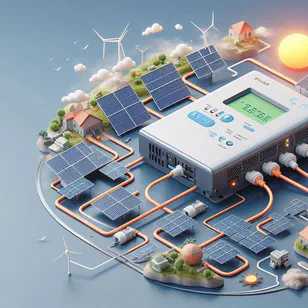
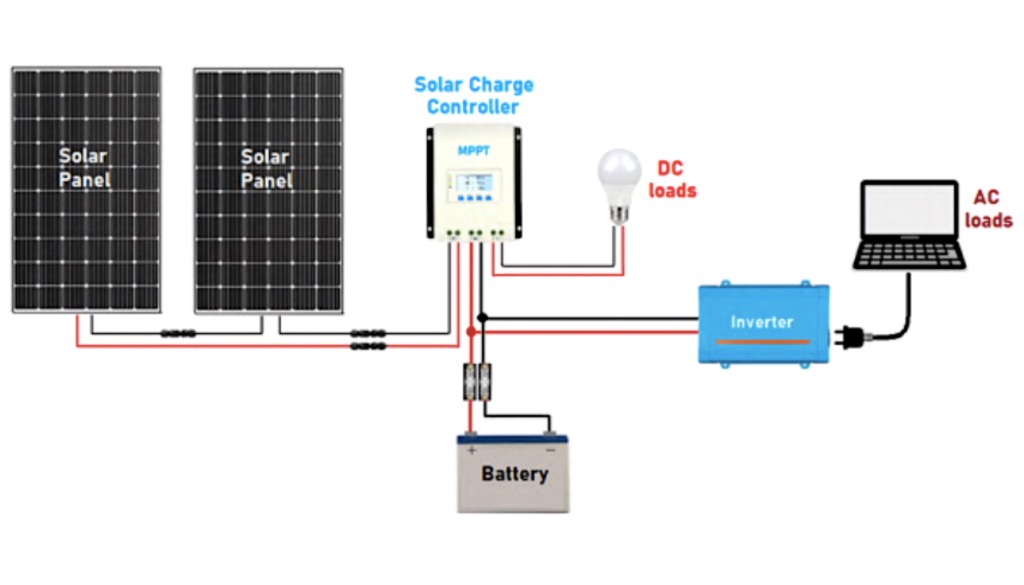
Solar charge controllers are crucial components in any solar energy system that includes batteries. They regulate the voltage and current from solar panels to the batteries, ensuring a safe and efficient charging process. Without a solar charge controller, batteries could be overcharged or drained too much, leading to reduced battery life and potential system failures.
Key Functions of Solar Charge Controllers
Solar charge controllers come with various functions to protect and optimize your solar energy system:
- Overcharge Protection: Prevents the battery from receiving too much voltage, which can damage it.
- Over-discharge Protection: Stops the battery from being drained too much, which can lead to permanent damage.
- Short Circuit Protection: Shields the system from potential short circuits.
- Voltage and Current Regulation: Ensures that the correct voltage and current are delivered to the battery.
Best Practices for Connecting Solar Charge Controllers
- Battery First: Always connect the battery to the solar charge controller first. This allows the controller to detect the battery’s voltage and activate the appropriate charging scheme.
- Proper Load Connection: Connect only incandescent lighting to the “DC Load” output of the controller. Avoid connecting inductive loads like inverters or power supplies directly to this output, as it could damage the controller. If necessary, use an electromagnetic relay to handle inductive loads.
- Inverter Connection: Connect the inverter directly to the battery or through a switch, not through the charge controller.
Types of Solar Charge Controllers: MPPT vs. PWM
There are two main types of solar charge controllers: MPPT (Maximum Power Point Tracking) and PWM (Pulse Width Modulation). Understanding the differences between them can help you choose the right one for your solar energy system.
PWM Controllers

PWM controllers are simpler and more affordable. They work by adjusting the width of the pulses from the solar panel’s voltage to match the battery’s needs. However, they are less efficient with large solar panels and in low-light conditions.
- Advantages: Lower cost, simpler design.
- Disadvantages: Less efficient with high-power panels; cannot increase voltage.
- Best Use: Small-scale systems where the solar panel’s voltage matches the battery’s voltage.
MPPT Controllers

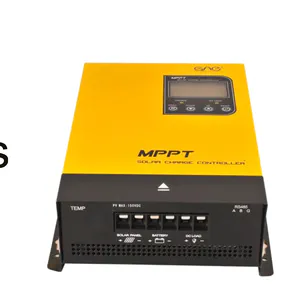
MPPT controllers are more advanced and efficient. They use complex algorithms to track the maximum power point of the solar panels, extracting more energy, especially in varying light conditions.
- Advantages: Higher efficiency, especially with large panels; can convert voltage to optimize battery charging.
- Disadvantages: Higher cost.
- Best Use: Larger systems with varying solar panel and battery voltages.
Built-in vs. Standalone Solar Charge Controllers

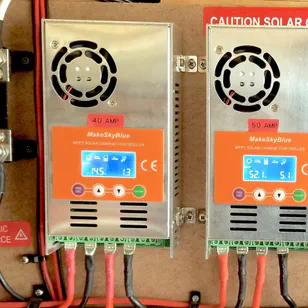
Solar charge controllers can be standalone devices or integrated into inverters. Both types can offer similar functionalities, but integrated controllers provide more flexibility in automating the system’s operation.
Example: Tracer 4210AN Controller Specifications

For a practical example, consider the Tracer 4210AN solar charge controller:
- System Nominal Voltage: 12/24 VDC (auto-detect).
- Rated Charge Current: 40A.
- Rated Discharge Current: 40A.
- Battery Voltage Range: 8–32V.
- Max PV Input Power: 520W (12V), 1040W (24V).
- Working Environment Temperature: -25°C to +50°C.
- Enclosure: IP30 (protection against small objects, but not liquids).
Parallel Operation of Solar Charge Controllers

While most solar charge controllers are not designed to work in parallel, some models like the PowMr MPPT-60A can operate in parallel with identical settings, panels, and battery groups. This feature can be advantageous for scaling up your solar energy system.
Conclusion
Solar charge controllers are vital for the safe and efficient operation of solar energy systems with batteries. Whether you choose a PWM or MPPT controller, following best practices and understanding the specific needs of your system will ensure long-term reliability and performance.