Introduction
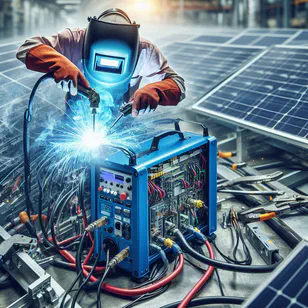
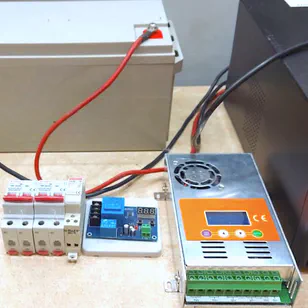
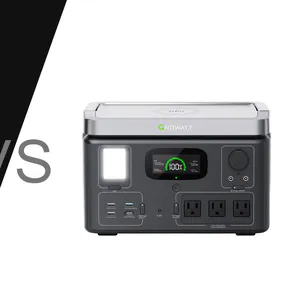
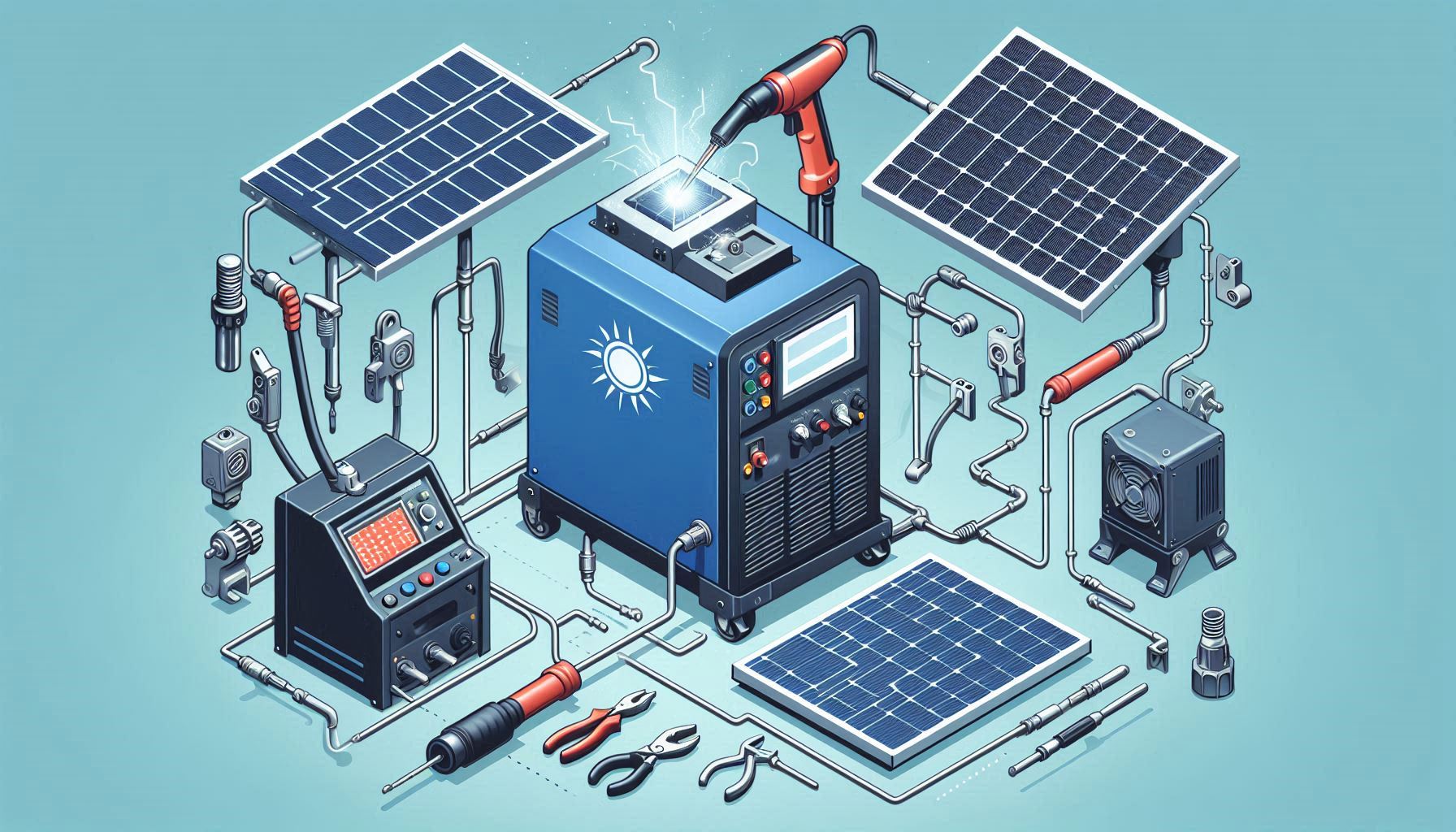
A common question these days is whether you can use a welding machine powered by a solar inverter or an Uninterruptible Power Supply (UPS). Let’s explore the challenges and possibilities.
The Problem
Welding machines, regardless of type, require substantial power when the welding arc is active, often reaching 7-10 kW in short bursts. This can strain the system and affect both the welding machine and the generating setup.
- High Power Demand: Welding machines consume a large amount of power in short intervals, creating spikes.
- Harmonic Interference: Inverter-based welding machines, especially lower-quality ones, produce interference across multiple harmonics, potentially disrupting the generating unit.
- Reactive Load: Transformer-based welding machines have a significant inductive (reactive) load, affecting the inverter’s power factor.
Types of Welding and Their Compatibility with Solar Inverters and UPS
Semi-Automatic Welding in Inert Gas Environment
- Uses less energy over time. For example, a semi-automatic welder with a 1.0 mm wire peaks at 4 kW (4.2 kVA).
- Such machines can be used with low-frequency inverters with large (non-pulse) transformers. Some users report successful use with Deye inverters without issues for about a year.
Stick Welding with Inverter:
- Using a 3 mm electrode, peaks at 7 kW.
- Personal experience shows successful use with 48V LPY-B-PSW-7000VA+ inverters over several years without damage.
Special Note
Some inverter welders have a full-bridge rectifier (full diode bridge) on the AC input stage, while budget models might have a half-bridge or single diode setup. Using a welding inverter with some solar inverters or UPS systems is possible only if the welding machine has a full-bridge rectifier. Otherwise, the inverter or UPS will likely fail quickly, making this use strictly prohibited.
Transformer Welding Machines
These machines can only work with low-frequency UPS or solar inverters that are at least 1.5 times more powerful than the welding machine. Thus, welding is primarily a task for the grid, which has the capacity for high power and reactive loads.
If welding is unavoidable during power outages, use a special diesel welding generator. If that’s not possible, carefully consider using a solar inverter or UPS for such tasks.
Key Considerations
- Use a low-frequency solar inverter or UPS with a large transformer.
- Ensure your Battery Management System (BMS) can handle the required welding currents (200+ amps combined from several batteries or one large battery).
- Opt for semi-automatic inverter welding.
- For stick welding, make short tacks and avoid holding the arc for long periods.
- Avoid using low-quality Chinese clones; they won’t last.
- Remember, damage to a solar inverter from welding isn’t covered by warranty—use it at your own risk.
- Disconnect unnecessary loads from the inverter during welding; every watt counts.
- Turn off modern LCD TVs on the same circuit as the welder, even when using a shared grid. Failure to do so can damage the screen ribbon, leading to costly repairs that might not always be possible.
Conclusion
Using a welding machine with a solar inverter or UPS is challenging and often inadvisable, but sometimes necessary. Follow these guidelines to mitigate risks and ensure the best possible outcome for your equipment.