What Is Idle Power Consumption?
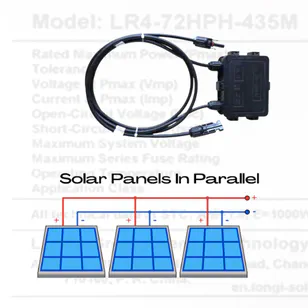
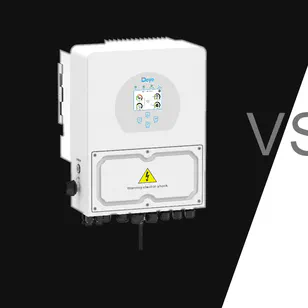
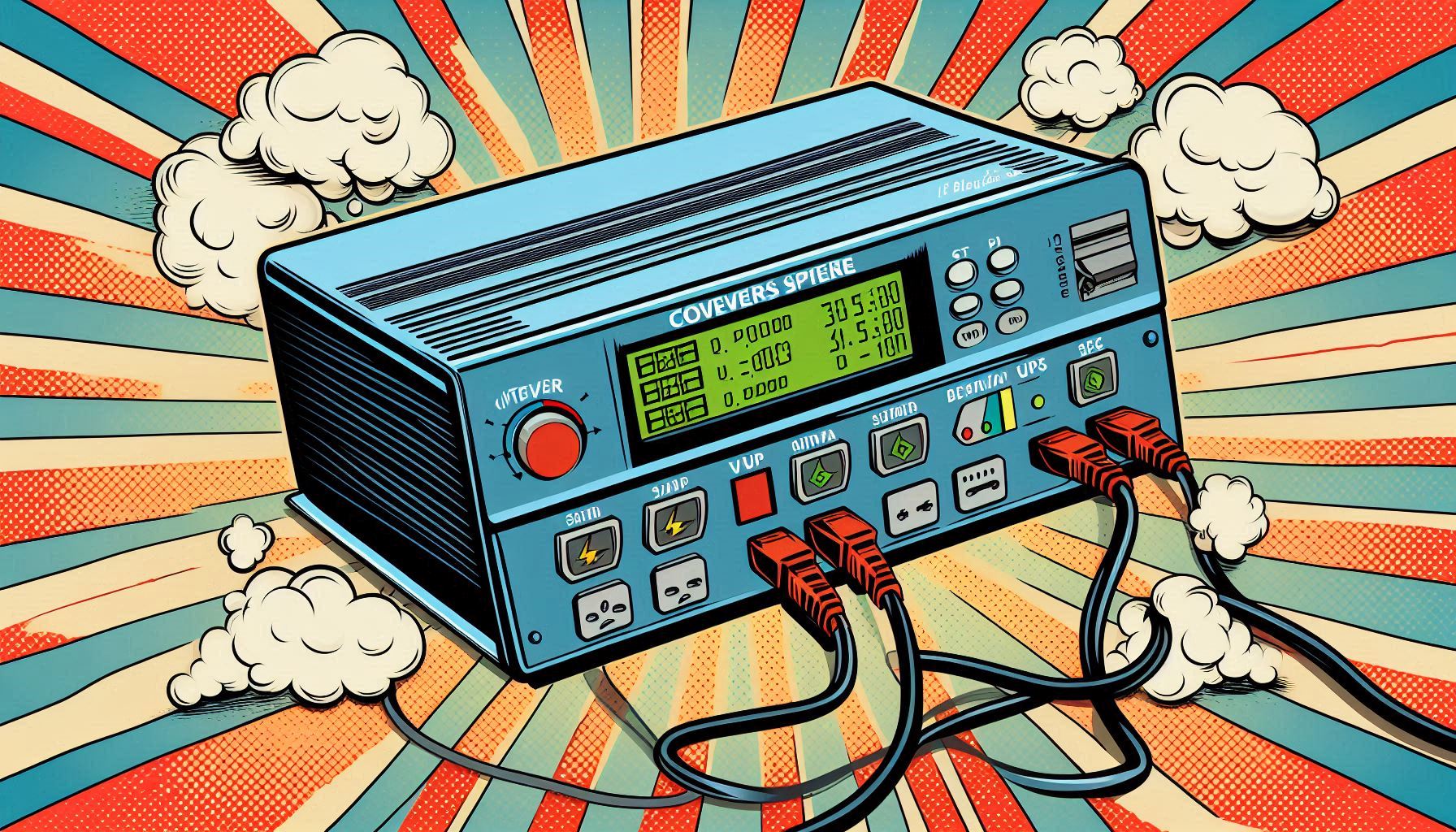
Idle power consumption refers to the electricity consumed by an inverter or a UPS while it is not supplying power to any connected loads. This consumption covers the energy needed for the device to maintain its readiness, power fans, light up buttons and displays, and carry out other background functions. This energy consumption can be supplied by solar panels of various types , the grid, or an attached battery.
Why Is Idle Power Consumption Important?
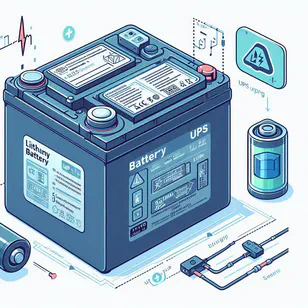
The most crucial aspect of idle power consumption is how it impacts battery usage, particularly when solar energy is unavailable, such as during the night, and when there is a power outage, leaving the battery as the only energy source. Every watt counts in such situations. To understand more about battery considerations, check out the pros and cons of various battery management systems . For example, you might measure the current drawn by the inverter without any load and find it consuming 30, 50, or even 100 watts.
A Common Misconception
Consider this: if your solar inverter consumes 80 watts while idle, wouldn’t that add up to 1 kW after 10 hours? That seems like a significant amount of energy loss, right? However, the reality is a bit different.
Let’s take an example. Suppose you have a 5.5 kW inverter with an idle power consumption of 50 watts. Now, if you connect a 1 kW load to it, would the total consumption be 1050 watts? The answer is no. The actual total consumption would be around 1020 watts. Similarly, if the load is 2 kW, the total consumption would be approximately the same.
The Reason Behind This
Every inverter has a specific efficiency curve where its performance is maximized, and where it is minimized. Generally, the highest energy losses occur closer to the maximum power output (due to heat, fan operation, etc.) and also at minimal load or no load at all. This phenomenon is particularly relevant for UPS systems and low-frequency transformer-based inverters. To avoid excessive heat and power losses, ensure you’re maintaining your inverter in hot weather . High-frequency systems operating on pulse-width modulation (PWM) are less affected.
Therefore, the power consumption measured without a load does not indicate the same level of consumption when a load is present.
The Bottom Line
While lower idle power consumption is certainly a sign of a more efficient and advanced inverter or UPS, it is essential to understand that the idle power consumption figure alone does not tell the whole story. It’s important to consider the efficiency across different loads when evaluating a device. If you’re considering adding more components, understanding the importance of wire color coding in these systems can also be helpful.