Introduction
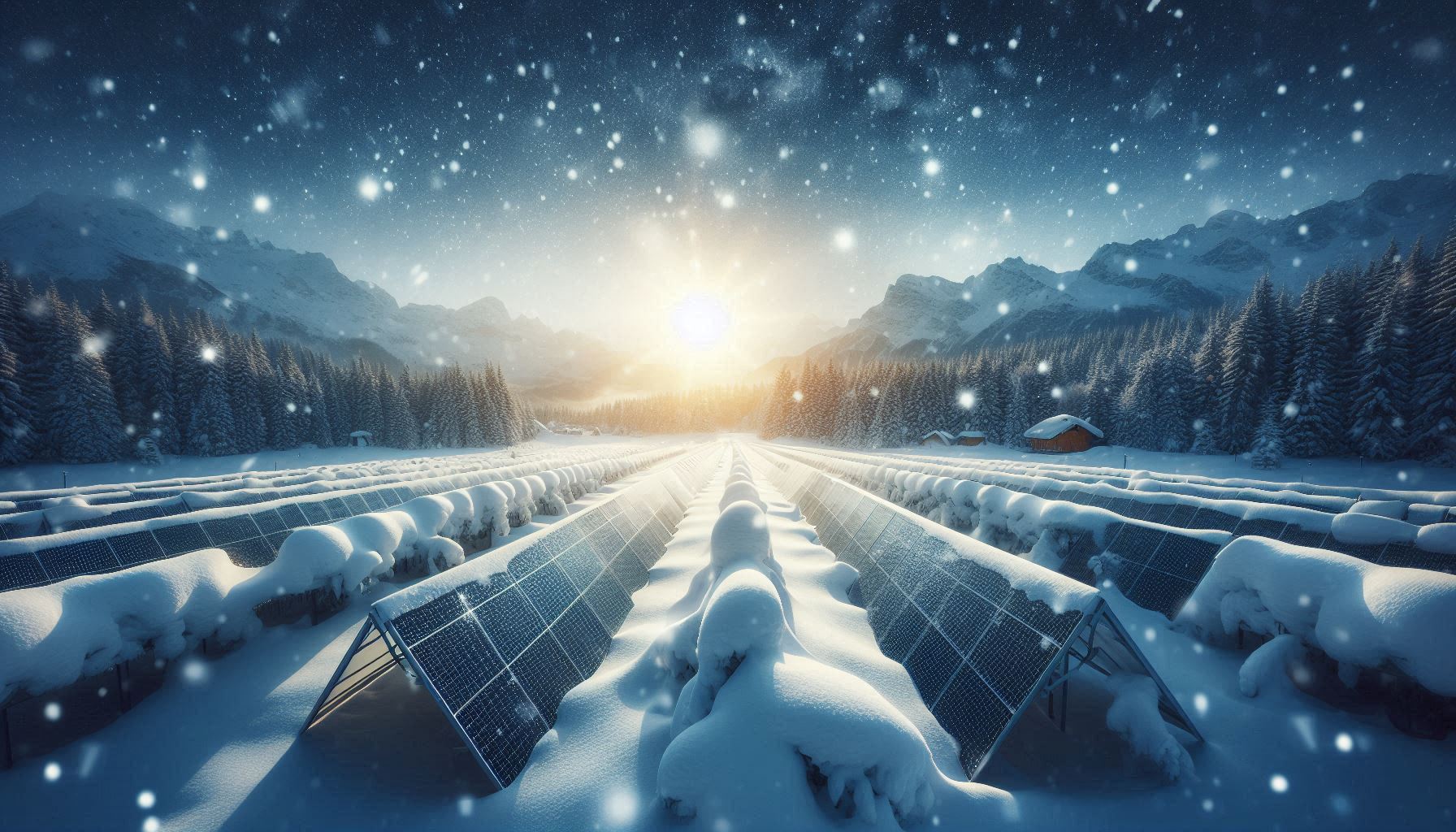
As the days grow shorter in winter, solar energy generation decreases significantly. In many regions, solar panels start generating power around 8:30 AM and stop by 6:30 PM, with even less production expected from late October to early March. While daylight increases in late December, the boost in solar generation is only noticeable by the end of January.
So, how can you prepare your solar power system to handle these winter months effectively? Let’s explore the key strategies for ensuring energy security during this challenging period.
Backup Solutions for Winter Energy Shortages
1. Grid Connection
If available, relying on the power grid is the simplest solution to supplement reduced solar generation. However, for those aiming for complete energy independence or living in areas with unreliable grid power, additional strategies are necessary.
2. Expanding Solar and Battery Capacity
Increasing the number of solar panels and battery storage capacity is an effective, albeit costly, solution. This approach ensures sufficient energy generation and storage during the challenging period from late October to early March. However, it’s worth noting that such a system would be oversized for the rest of the year.
3. Wind Power as a Complementary Source
Wind generators can serve as a partial alternative to solar during winter. However, they come with their own set of challenges, including:
- Potential noise issues affecting neighbors
- Variability of wind conditions
- Questionable reliability of some cheaper models
While wind power can be a valuable addition to a renewable energy system, it shouldn’t be relied upon as a guaranteed energy source.
4. Fossil Fuel Generators
Diesel or gasoline generators can provide reliable backup power. Despite their advantages in ensuring consistent energy supply, they have several drawbacks:
- High fuel costs
- Regular maintenance requirements
- Environmental concerns due to emissions
For more insights into integrating a generator with your solar system, read our guide on connecting a generator to solar or UPS systems .
Achieving Energy Independence with Solar
Installing a solar power system is a significant step toward energy independence. The goal is to reduce reliance on the grid and, ideally, minimize the use of gasoline and diesel generators. However, during the tough period from late October to early March, you may still need to use these backup solutions if grid power is unavailable.
If you’re looking to enhance the performance of your solar system during the winter, consider exploring tips on how to optimize solar energy for seasonal challenges .
Conclusion
By adapting your solar setup and considering alternative energy sources, you can better navigate the winter months and maintain energy security for your home or business.