Introduction
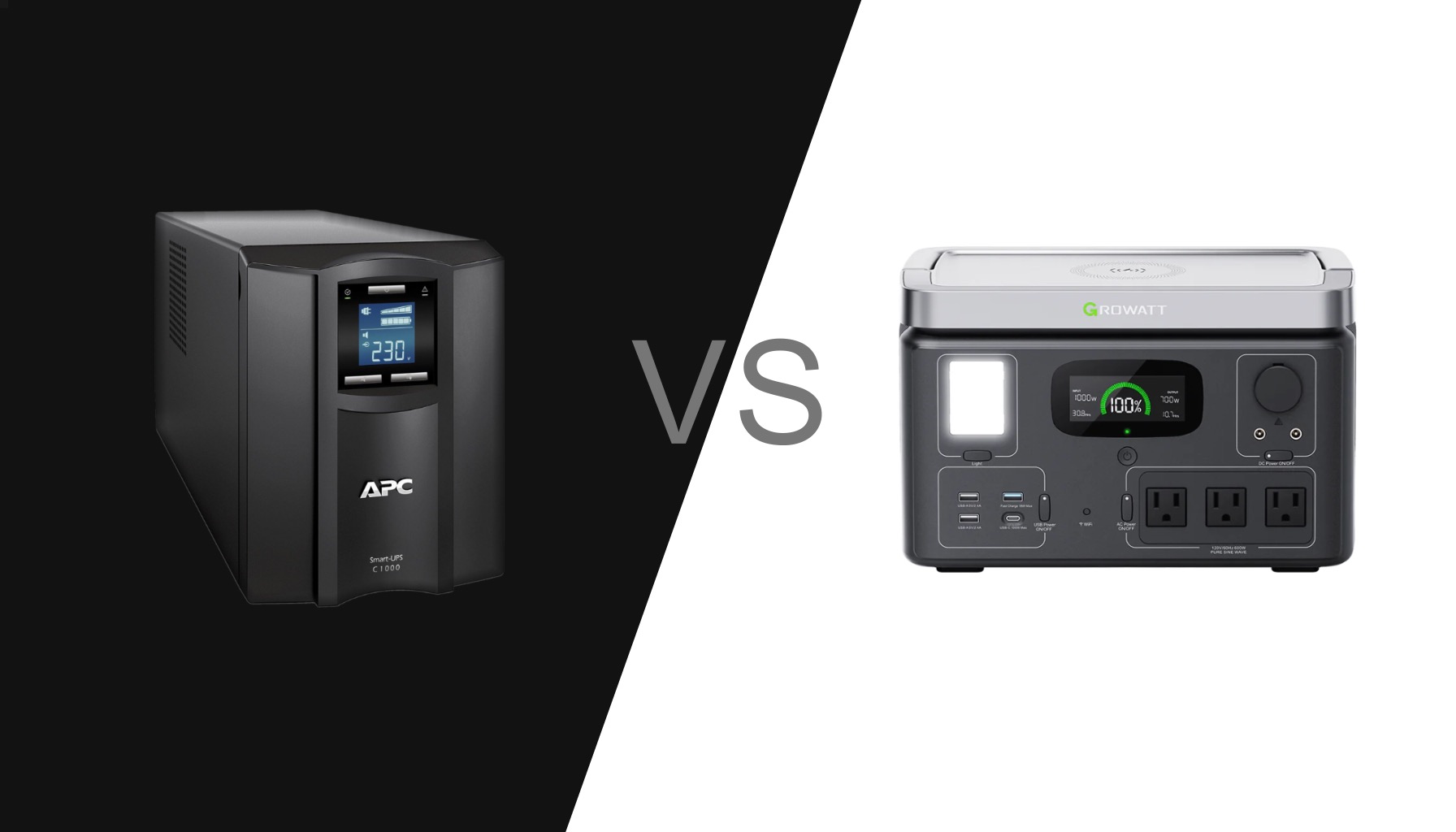
In today’s world, having a reliable backup power solution is crucial. Two popular options are traditional Uninterruptible Power Supply (UPS) systems with external batteries and compact portable power stations like Bluetti or EcoFlow. But which one is better for your needs? Let’s dive into a comprehensive comparison of these two backup power solutions.
Compact Design vs. Modular Setup
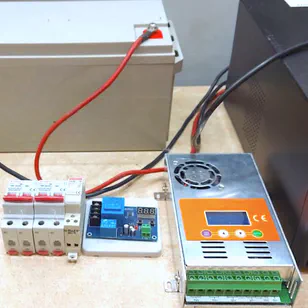
One of the most significant advantages of portable power stations is their compact design. These all-in-one units house the battery, inverter, and charging station in a single enclosure, making them incredibly space-efficient. On the other hand, traditional UPS systems with external batteries typically require more space and often need additional shelving or support structures.
Charging Speed and Battery Life
Portable power stations boast impressive charging speeds, which can be a lifesaver during extended power outages with brief intervals of grid power availability. However, this advantage comes with a trade-off: the high-speed charging can significantly reduce the battery’s lifespan over time.
In contrast, separate UPS systems with external batteries charge at a slower rate, usually around 20-30 amperes. While this means longer charging times, it also translates to extended battery life and maintained capacity over time.
Mobility and Versatility
When it comes to mobility, portable power stations take the lead. These units are designed for easy transportation, featuring handles that allow you to take them anywhere – from picnics and camping trips to outdoor events. This versatility is a significant advantage for those who need power on the go.
UPS systems with external batteries, while not impossible to move, are far less convenient for transport. The setup and breakdown process can be time-consuming, and they lack the built-in portability features of their compact counterparts.
Cost Considerations
If budget is a primary concern, traditional UPS systems with external batteries often come out ahead. When comparing systems with similar specifications, compact portable power stations can cost nearly twice as much as their UPS counterparts. This price difference reflects the design, brand premium, and marketing costs associated with portable power stations.
Repair and Maintenance
In terms of repair and maintenance, UPS systems have an edge. These devices are typically simpler in construction and can be serviced by most electronics repair shops. Additionally, you have the flexibility to replace either the battery or the UPS unit independently if needed.
Portable power stations, while convenient, present more challenges when it comes to repairs. Due to their integrated design, repairs often require specialized service, and partial replacements are generally not an option. In case of a malfunction, you might need to replace the entire unit.
Conclusion
Choosing between a UPS system with an external battery and a portable power station depends on your specific needs and priorities. If you value mobility, compact design, and don’t mind paying a premium, a portable power station might be the ideal choice. These are especially suitable for outdoor enthusiasts or those who need power for events away from home.
On the other hand, if you’re looking for a cost-effective solution primarily for home use, with easier maintenance and longer battery life, a traditional UPS system with an external battery could be the better option.
Understanding household energy consumption is crucial when selecting the right backup power solution. Consider factors such as your typical power usage, the devices you need to keep running during outages, and how often you might need portable power.
For those interested in more sustainable energy solutions, exploring the benefits of home solar power plants could provide insights into how these backup power systems can integrate with renewable energy sources.
Ultimately, both solutions serve the purpose of providing backup power. Your choice should align with your lifestyle, budget, and specific power needs. Whether you opt for the versatility of a portable power station or the cost-effectiveness of a UPS system, ensuring you have a reliable backup power source is a smart move in today’s energy-dependent world.