Introduction
Solar energy has become increasingly popular for residential use, offering a clean and renewable power source. However, it comes with its own set of challenges, particularly in terms of seasonal variations and energy management. This article explores these challenges and provides practical solutions for maximizing solar energy efficiency in your home.
The Seasonal Solar Challenge
The primary issue with solar energy is its inconsistency across seasons. In spring and summer, solar panels produce abundant energy, often more than a household needs. Conversely, during autumn and winter, when energy demand is typically higher due to heating needs, solar energy production is at its lowest.
This seasonal imbalance creates a dilemma: how can we effectively use the excess energy during high-production months and compensate for the shortage during low-production periods?
Optimizing Daily Energy Consumption
One effective strategy to address this challenge is to optimize your daily energy consumption patterns. Here are some practical tips:
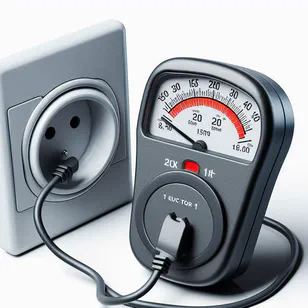
Use Timers and Programmers: Schedule energy-intensive appliances like dishwashers, washing machines, and water heaters to operate during peak sunlight hours. This approach allows you to directly use solar energy without relying heavily on storage solutions.
Smart Home Integration: Consider integrating smart home devices that can automatically adjust energy usage based on solar production. Learn more about balancing your home energy system .
Energy-Efficient Appliances: Invest in appliances that are energy-efficient and can operate effectively on solar power. This is particularly important for cooling systems, which align well with peak solar production times.
The Storage Dilemma
While batteries are an obvious solution for storing excess energy, they come with significant costs, often accounting for up to half the budget of an autonomous or hybrid solar system. This makes it crucial to maximize direct energy use and minimize storage requirements.
Utilizing Excess Energy
The idea of using excess energy for additional purposes, such as heating water or air, seems appealing but comes with practical challenges:
- Complexity of Implementation: Installing additional systems for energy diversion can be complex and costly.
- Seasonal Mismatch: Often, when you have excess energy (summer), you don’t need heating, and when you need heating (winter), you don’t have excess energy.
- Integration Issues: Integrating these systems into existing home infrastructure can be challenging and may not always be cost-effective.
For a deeper understanding of how solar power systems handle excess electricity, especially in off-grid setups, read our article on excess solar power in off-grid systems .
Practical Solutions for Homeowners
Instead of complex energy diversion systems, consider these practical approaches:
Optimize Panel Orientation: Adjust your solar panel tilt seasonally to maximize energy capture. Learn about optimizing solar panel orientation .
Efficient Appliance Usage: Use energy-intensive appliances during peak solar hours to maximize direct solar energy consumption.
Minimize Battery Capacity: Instead of oversizing your battery system, focus on efficient energy use and consider a smaller, more cost-effective battery setup.
Explore Alternative Heating Solutions: For winter heating, consider more efficient solutions like heat pumps that can operate effectively with limited solar input. Discover more about powering electric heating with solar systems .
Conclusion
While solar energy presents challenges in terms of seasonal variability and energy management, there are practical and effective solutions available. By focusing on optimizing daily energy consumption, making smart choices in system design, and adopting energy-efficient practices, homeowners can maximize the benefits of their solar energy systems throughout the year.
Remember, the key to an efficient solar energy system lies not just in producing energy, but in using it wisely. With thoughtful planning and implementation, you can create a solar-powered home that is both environmentally friendly and economically sensible.