Introduction
Have you ever wondered how much electricity your home will need in five years? This question is far from trivial. Understanding your future energy needs is crucial for making informed decisions about your home’s electrical infrastructure, from choosing the right wire gauge to selecting appropriate circuit breakers and planning efficient wiring layouts.
The Evolution of Home Energy Consumption
Just a few decades ago, the average apartment consumed a mere 100-150 kWh per month. With the advent of water heaters, microwaves, and other modern appliances, this figure has skyrocketed to 400-600 kWh. What once seemed excessive is now the norm, and the trend shows no signs of slowing down.
Today, energy consumption per capita is rising across all countries. Washing machines, induction cooktops, water heaters, hair dryers, pumps, filtration systems, large TVs, and a myriad of other household appliances - unimaginable to our ancestors - all contribute to this increase. While appliance efficiency has improved significantly, with A++ ratings becoming commonplace, the overall demand for energy continues to grow as we embrace more comfort and convenience in our daily lives.
The Energy Transition and Its Impact
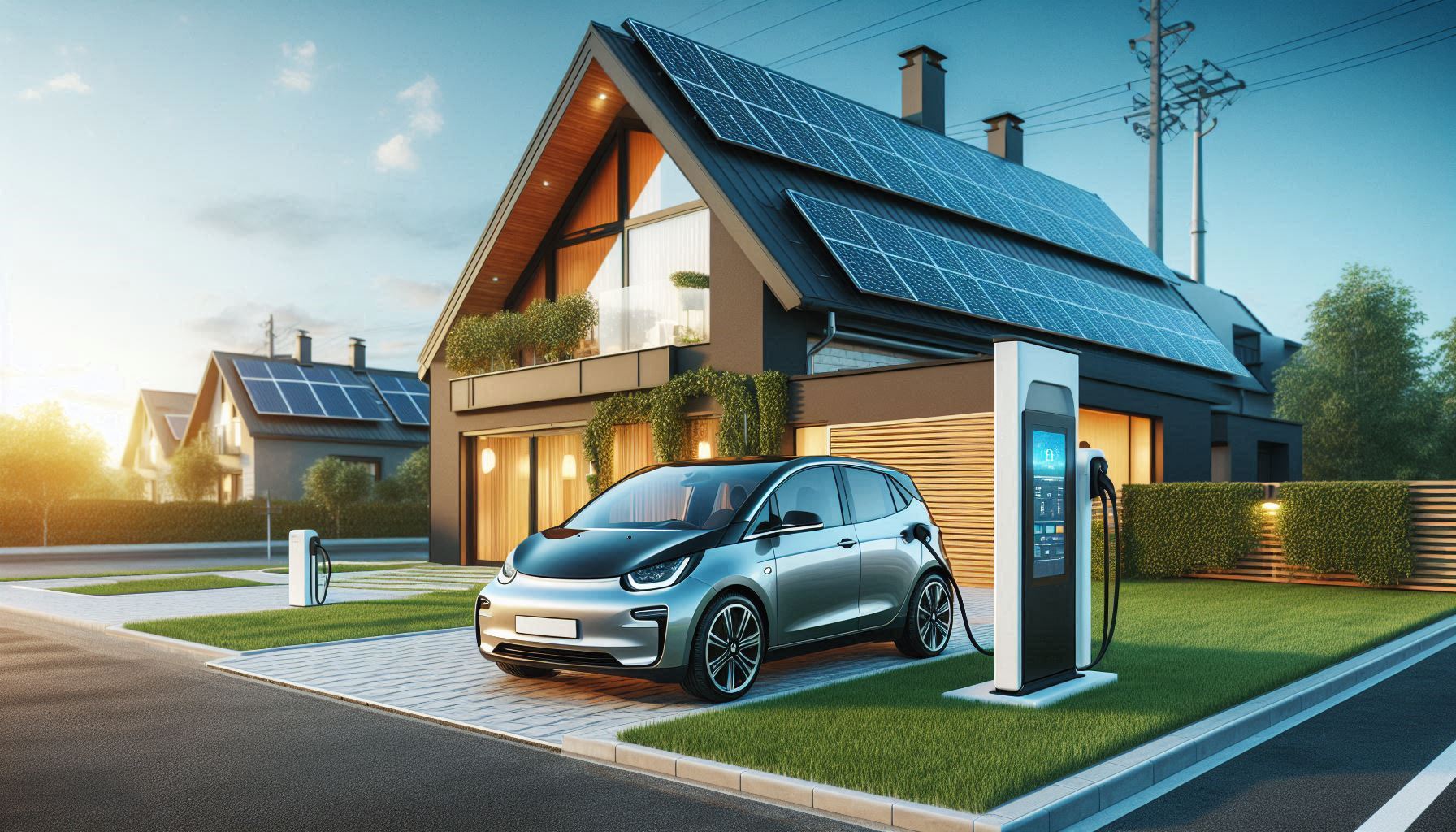
However, these increases pale in comparison to what’s on the horizon. The ongoing energy transition is set to dramatically reshape our consumption patterns. As we move away from fossil fuels, our transportation and heating needs - traditionally the largest energy consumers - will increasingly rely on electricity.
The rise of electric vehicles is already evident in cities and rural areas alike, and this trend is accelerating rapidly. Similarly, heat pumps are gaining popularity as an efficient heating solution , although they too contribute to electricity demand.
Projections for 2030
Based on current trends, it’s estimated that the average household’s electricity consumption could triple by 2030. This shift represents a move towards cleaner energy sources, replacing gasoline, diesel, and natural gas with electricity. While this is a positive development for the environment, it requires careful planning and preparation.
Challenges and Solutions
The rapid increase in demand poses significant challenges. Many countries’ power grids are not yet fully prepared for this “green transition,” which could lead to energy price hikes and supply disruptions.
So, what can individual consumers and households do to prepare?
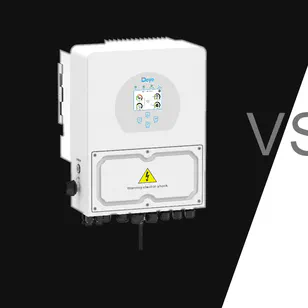
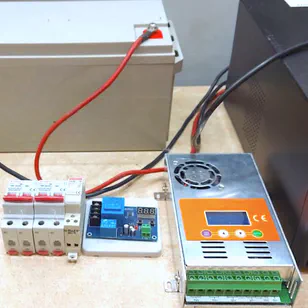
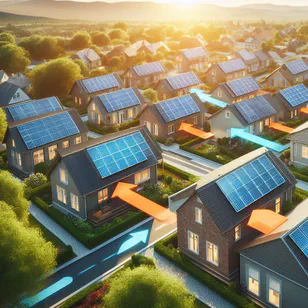
Increase self-generation and autonomy: Consider investing in solar panels, wind turbines, or even backup generators. Adding a battery storage system can further enhance your energy independence.
Prioritize energy efficiency: When purchasing new appliances, opt for those with the highest energy efficiency ratings (A+++ where available).
Rethink heating solutions: Move away from pure electric heating towards more efficient options like heat pumps.
Monitor your consumption: Use a wattmeter to track your energy usage and identify areas for improvement.
Stay informed: Keep up with developments in energy technology and local energy policies to make informed decisions about your home’s energy future.
Conclusion
The future of home energy consumption is electric, and it’s coming faster than many realize. By understanding these trends and taking proactive steps, you can ensure your home is ready for the energy landscape of 2030 and beyond. Embrace the change, prepare accordingly, and you’ll be well-positioned to benefit from the cleaner, more efficient energy systems of the future.