Introduction
In today’s world, with the growing demand for renewable energy sources, LiFePO4 batteries are becoming increasingly popular due to their reliability and long lifespan. However, with increased demand comes the risk of encountering low-quality products, especially when it comes to Chinese batteries. This article aims to help consumers recognize potential tricks and choose quality batteries.
Key Characteristics of LiFePO4 Batteries
Voltage: LiFePO4 batteries with 48 volts have specific charging and discharging characteristics. A full charge is usually reached at 58.4 V, and a full discharge at 42.4 V. The working voltage range is 48-57 V, which is optimal for a long lifespan without capacity loss.
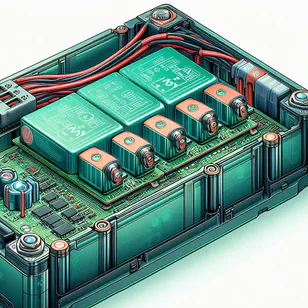
Construction: A quality LiFePO4 battery with 48 V should contain 16 cells connected in series (16s). This ensures optimal capacity and voltage.
Absorption Plateau: This is a phase during which the battery maintains a stable voltage before reaching full charge. It is important for the proper functioning of the battery.
Main Risks When Buying Chinese Batteries
There are many Chinese batteries on the market that may look appealing due to their low price. However, they may have significant drawbacks:
Lack of Cells: Some manufacturers may reduce the number of cells to 15, leading to lower actual capacity (7% less) and shifting the working voltage range (from 39.75 to 54.75 V).
Incorrect Voltage: Batteries with 15 cells may have a lower full-charge voltage, reducing the efficiency and duration of the system’s operation.
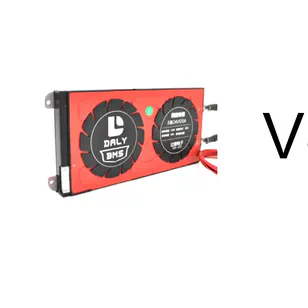
BMS Issues: The Battery Management System (BMS) may not display the number of cells or actual voltage readings, making it difficult to assess the battery’s quality.
How to Avoid Fakes and Choose a Quality Battery
Check the Full-Charge Voltage: A quality battery should have a full-charge voltage of about 58.4 V (plus or minus 0.5 V).
Pay Attention to the Number of Cells: Confirm that the battery has 16 cells (16s) using the BMS or technical documentation.
Research the Manufacturer: Before purchasing, familiarize yourself with reviews of the manufacturer and their products. Reliable manufacturers always provide complete information about their products.
Inspect Upon Receipt: Always check the battery upon receipt to ensure all stated characteristics match reality.
Conclusion
Choosing a LiFePO4 battery can be a challenging task due to the presence of fakes and low-quality products on the market. However, by following the provided tips, you can make the right choice and ensure the stable operation of your energy system. Be careful and diligent, and your investment in a quality battery will pay off with reliability and long lifespan.