Introduction
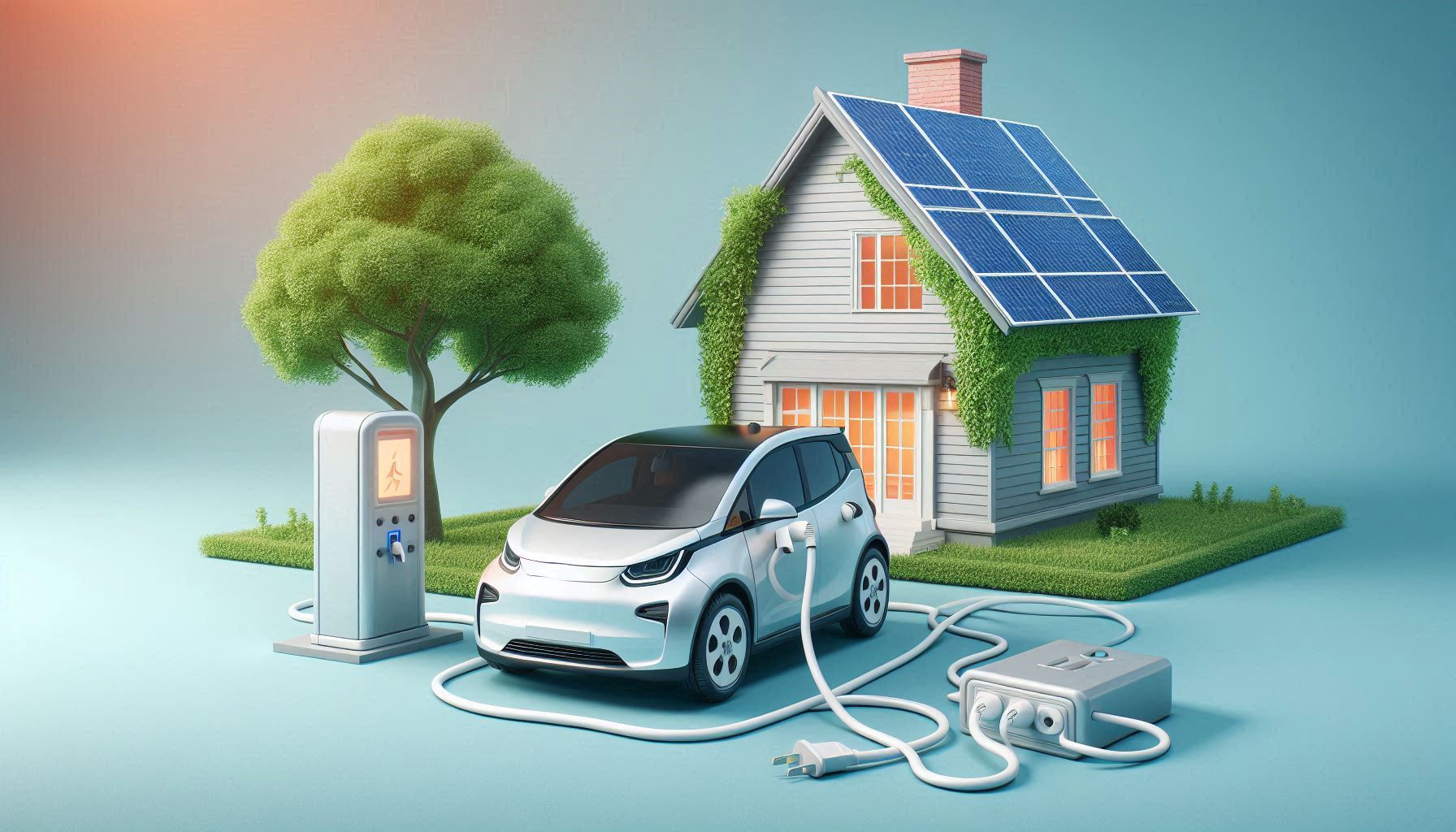
As electric vehicles (EVs) become more prevalent, many homeowners are considering using their EV’s large battery as an energy storage solution for their homes. While this idea seems promising, especially for those with solar panels, there are several important factors to consider before integrating your EV into your home’s energy system.
The Appeal of EVs for Home Energy Storage
The concept is enticing: even the smallest electric car typically has a battery capacity of at least 20 kWh, which is significant for home energy storage. This large mobile battery could potentially store excess solar energy or cheap off-peak grid electricity for later use.
Learn more about the components of a solar power station
Key Considerations for Using EVs as Home Batteries
1. Availability and Usage Patterns
Most people use their cars during the day, precisely when solar panels generate the most electricity. This misalignment of availability and generation can make it challenging to effectively use the EV as a home battery.
2. Power Transfer Methods
There are several ways to draw power from an EV to your home, varying by vehicle model:
- Inexpensive options like charging cables through standard charging ports
- More complex and costly systems that invert DC from the battery through fast-charging ports like CHAdeMO
- A popular method involves drawing power through an inverter connected to the 12V battery while the car is on, allowing the car’s internal system to transfer energy from the high-voltage main battery
For example, with a Nissan Leaf, you can safely draw up to 1.5 kW using this method.
3. Electrical Infrastructure Requirements
Connecting an EV to your home’s electrical system requires a separate input with proper infrastructure, including circuit breakers, RCDs (Residual Current Devices), and a reserve input system. Improvised “plug-to-plug” solutions are extremely dangerous and can lead to serious vehicle damage or even fire.
4. Compatibility with Solar Equipment
A common misconception is that you can directly connect an EV’s high-voltage battery to a high-voltage MPPT controller. In most cases, this leads to damage to both the controller and the high-voltage battery.
5. Safety Concerns
Any modification to an EV’s electrical systems for home integration is a high-risk endeavor that can have severe consequences. This caution extends to using third-party adapters or converters, especially from unreliable sources.
Discover the hidden dangers of buying Chinese LiFePO4 batteries
Practical Applications for EV Power
While using an EV as a primary home energy storage solution may not be ideal, there are situations where it can be beneficial:
Emergency Backup Power: In extraordinary situations, an EV can serve as a temporary power source for your home.
Outdoor and Camping Use: EVs can be excellent power sources for camping trips or outdoor events where access to 220V power is needed.
Off-Grid Applications: For short-term use in areas without grid access, an EV can provide necessary power.
The Most Reliable Method
Based on personal experience and widespread testing, the most reliable method for using an EV as a power source is:
- Use a 12V to 230V inverter
- Connect it to the 12V battery of the running EV
This setup allows you to safely draw power from the car’s main battery through its internal systems.
Learn about protecting home appliances from power surges
Conclusion
While the idea of using an electric vehicle as a home energy storage solution is appealing, it comes with significant challenges and risks. For most homeowners, a dedicated stationary battery system for their inverter or UPS remains the more practical and safer option.
However, the ability to use an EV as a power source can be invaluable in specific situations like camping, outdoor events, or during power outages. As vehicle-to-grid (V2G) technology advances, we may see more seamless and safer integration of EVs into home energy systems in the future.
For now, if you choose to use your EV for power, stick to tested and safe methods, always prioritizing the safety of your vehicle and home electrical systems.